

We wear "busyness" like a badge of honor. But if you are constantly rushing to the next moment, you are never truly alive in this one. Slow living isn't about being lazy; it's about being present.
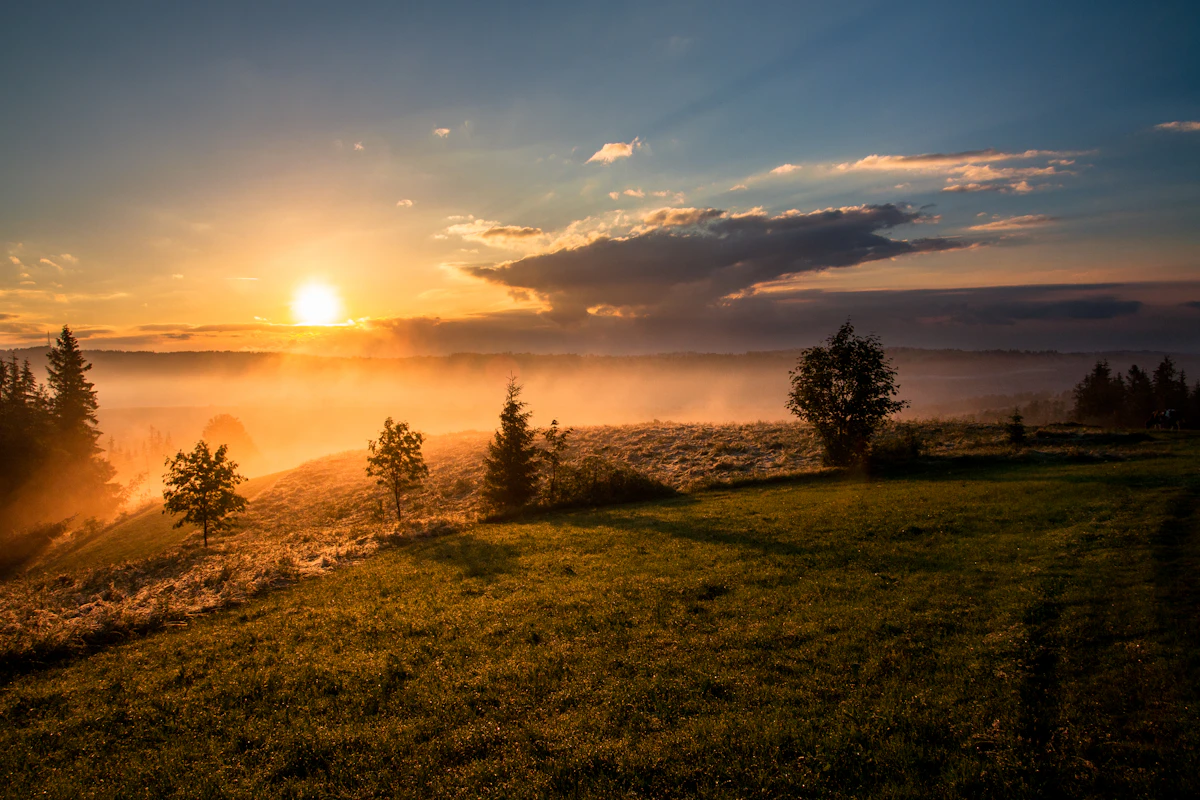
The Cult of Speed
Modern society demands instant gratification. Fast food, fast internet, fast fashion. This speed creates a shallow engagement with life. Slow living invites you to go deeper—to cook a meal from scratch, to walk without a destination, to listen without interrupting.
"Nature does not hurry, yet everything is accomplished." — Lao Tzu
What Slow Living Is, and What It Is Not
Slow living does not mean quitting your job, moving to a farm, or doing everything at half speed. It costs nothing. You can live slowly in a busy city, with children, a long commute, and bills to pay.
It means giving each thing the time it actually needs. Some tasks are fine done quickly. Others, like a meal with your family or a talk with a friend, lose their value when you rush them. Slow living is learning to tell the difference, then choosing on purpose.
How to Hit the Brakes
- Single-Tasking: Stop multitasking. If you are drinking coffee, just drink coffee. Taste it. Smell it.
- Digital Sunset: Turn off screens one hour before bed. Let your mind decompress naturally.
- The "Do Nothing" Minute: Sit for one minute and do absolutely nothing. No planning, no scrolling. Just breathing.
Leave Space Between Things
A lot of rushing has little to do with how fast you move. It comes from how the day is planned. When each task is booked straight after the last one, a single delay pushes everything back, and the rest of the day becomes a chase.
The answer is room. Leave a gap after anything that tends to run late, like a meeting, a school pickup, or a trip to the market. Set off early enough that a late bus or heavy traffic is an annoyance, not an emergency. Arriving with a few spare minutes feels very different from arriving out of breath.
Before you add something new to your week, look at what is already in it. If the only way to fit it in is to squeeze everything else, it does not really fit.
Slow Moments That Fit a Busy Day
None of these needs a day off. They slot in around work, school, and family.
- Walk at someone else's pace. Go out with an older relative or a small child and let them set the speed. If they stop to greet a neighbor or look in a shop window, stop with them.
- Cook one simple meal from scratch. Wash, chop, stir, and wait. A pot of soup takes the time it takes. Let the waiting be part of the meal.
- Mend one thing instead of replacing it. Sew on a button, patch a bag, or glue a handle. It takes more patience than buying new. It is the quiet opposite of fast fashion.
- Pause before you reply. Take one breath before you answer a message or a question. It often helps you answer more kindly.
Try one of them outside if you can. Our piece on nature therapy has more ideas.
Other People Are Not Obstacles
When you are always rushing, other people start to feel like obstacles. The slow driver. The person ahead of you counting coins. When you slow down, they become people again.
This is where the spare room in your day pays off. With a few minutes in hand, the older man asking the pharmacist a long question is not stealing your time. The market seller who chats while she weighs your vegetables is not holding you up. The visitor stuck at the ticket machine is someone you can help. Nothing about them has changed. Your schedule has.
A flash of impatience can be a useful signal. When someone's slowness annoys you, ask whether you are actually late or only feel late. If it is only the feeling, let it go and let them take their time.
It works the other way too. Your slower pace should not become someone else's rush. Arriving late to meet a friend, or leaving your share of a job for a colleague to finish, just hands the hurry to them. Slow living is about your own time, not other people's.
Your life is happening right now. Don't rush through it.